
What we value, and what we look for.
At Tunbridge Wells Borough Council, our values shape how we work with residents, customers and each other. They also help us be clear about the behaviours we want to see from the people who join us.
We recruit for the skills, experience and potential needed for each role. We are also interested in how you work: how you communicate, work with others, make decisions, respond to challenges and contribute to making things better.
Our values are there to help make expectations clear. They influence how we work with one another, how we approach our responsibilities and the kind of contribution we want people to make.
Whether you're joining us for your first role or looking for the next step in your career, there’s room to grow here; and people who’ll help you along the way.
People join us for different reasons – purpose, development, stability and location.
Values are only useful if you can see what they mean in everyday working life.
Our six values describe the kind of organisation we want to be and the way we expect to work together. As local government changes, these values also guide how we work with our current and future colleagues.
Constructive energy, not forced cheerfulness.
We recognise when things are difficult, but try to approach challenges in a way that helps move things forward.
What this can look like: naming issues without cynicism, looking for possibilities and helping others make progress.
The impact: more momentum and less helplessness.
Taking people, context and impact seriously.
We care about what we do, who we do it for and the experience people have along the way.
What this can look like: listening well, supporting colleagues, showing empathy and considering the experience of residents and customers.
The impact: people feel respected, clearer and better supported.
Doing the right thing, especially when it is uncomfortable.
We aim to be open, honest and fair, and to treat people with respect.
What this can look like: communicating honestly, making fair decisions and being prepared to challenge constructively.
The impact: greater trust, consistency and confidence in decisions.
Giving people agency with clarity.
We want people to contribute ideas, take responsibility and help make things better.
What this can look like: creating space for ideas, sharing ownership, learning from feedback and trying better ways of doing things.
The impact: people act, improve and take responsibility.
Using what we have well to create public value.
Value is about more than saving money. It means making thoughtful use of time, resources and capacity so that our work creates worthwhile outcomes.
What this can look like: setting priorities, focusing effort where it matters and making considered use of resources.
The impact: better use of time, money and capacity.
Being self-aware, honest and human.
None of us gets everything right. We value people who can recognise their strengths, learn from mistakes and adapt.
What this can look like: owning mistakes, seeking feedback, understanding your own impact and not pretending to have all the answers.
The impact: more trusting and healthier working relationships.
Skills matter. How you use them matters too.
Every role is different, so the job advert and person specification will tell you the particular skills and experience we need.
Alongside these, our staff competencies describe four things that matter across the organisation:
Sharing information clearly, listening and engaging positively with others.
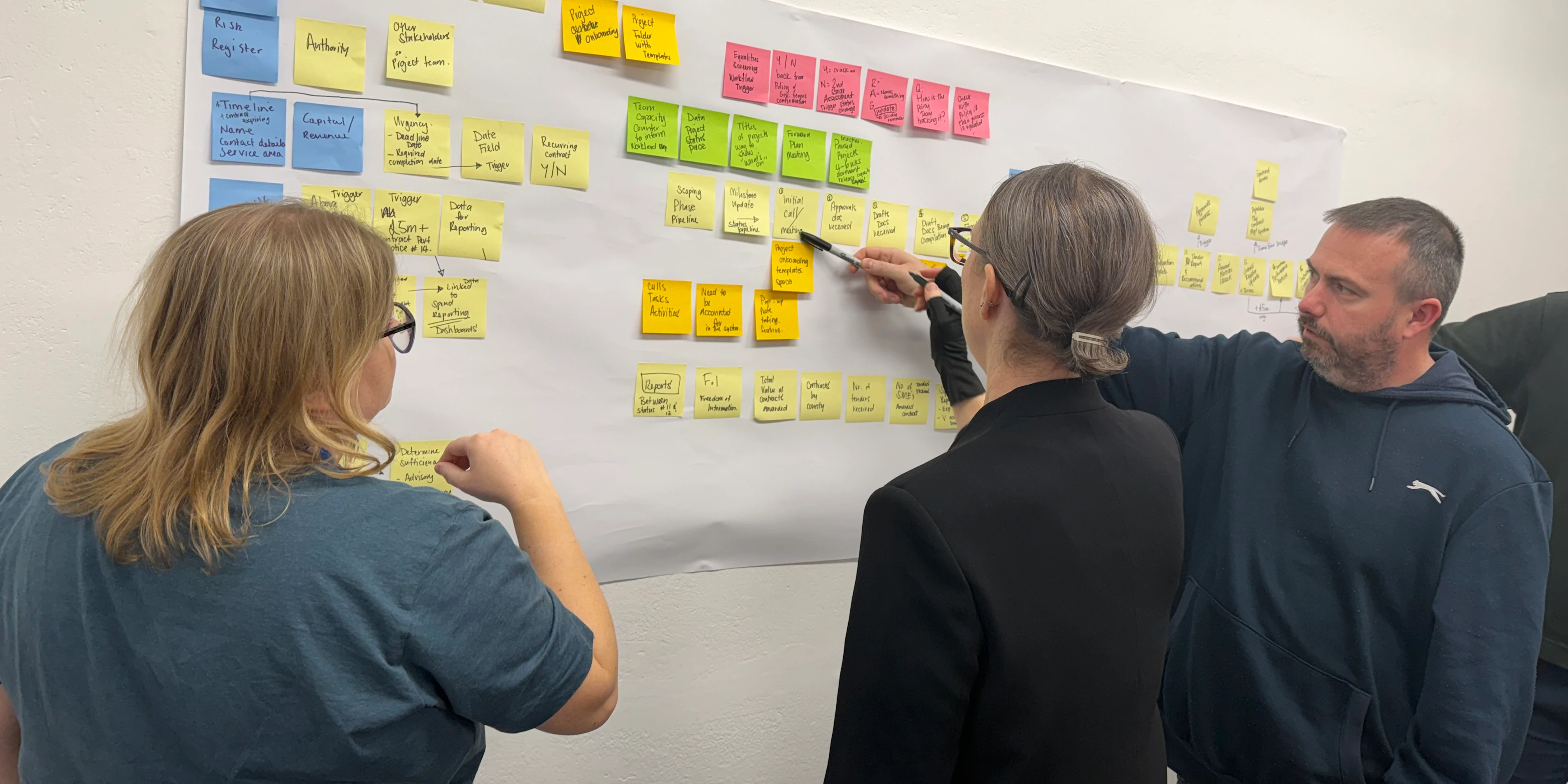
Understanding changing needs and looking for ways to improve the services we provide.
Setting priorities, planning ahead and following through on commitments.
Working constructively across teams, valuing people's contributions and treating people with dignity and respect.

Our managers are also expected to demonstrate capability across:
These include behaviours such as:
Help us see what you can do.
The best preparation is to understand the role and come ready to talk about your own experience.
Read the job advert and person specification carefully. Find out a little about the council and the service you are applying to join. Think about genuine examples that show how you have approached situations relevant to the role.
A simple way to structure an example is using the Situation, Task, Action and Result (STAR) approach.
We may ask follow-up questions because we want to understand your contribution, your thinking and what you learned.
Recruitment works both ways.
We want you to have enough information to decide whether this feels like the right organisation for you, just as we want to understand whether you're right for the role.
Take a look around our career pages, explore the work we do and consider whether our purpose, values and way of working feel like somewhere you could do good work.
If they do, we'd love to hear from you.
Situation: what was happening?
Task: what were you responsible for?
Action: what did you personally do?
Result: what happened as a result?
"The development opportunities at TWBC gave me the skills and experience to progress my career."

